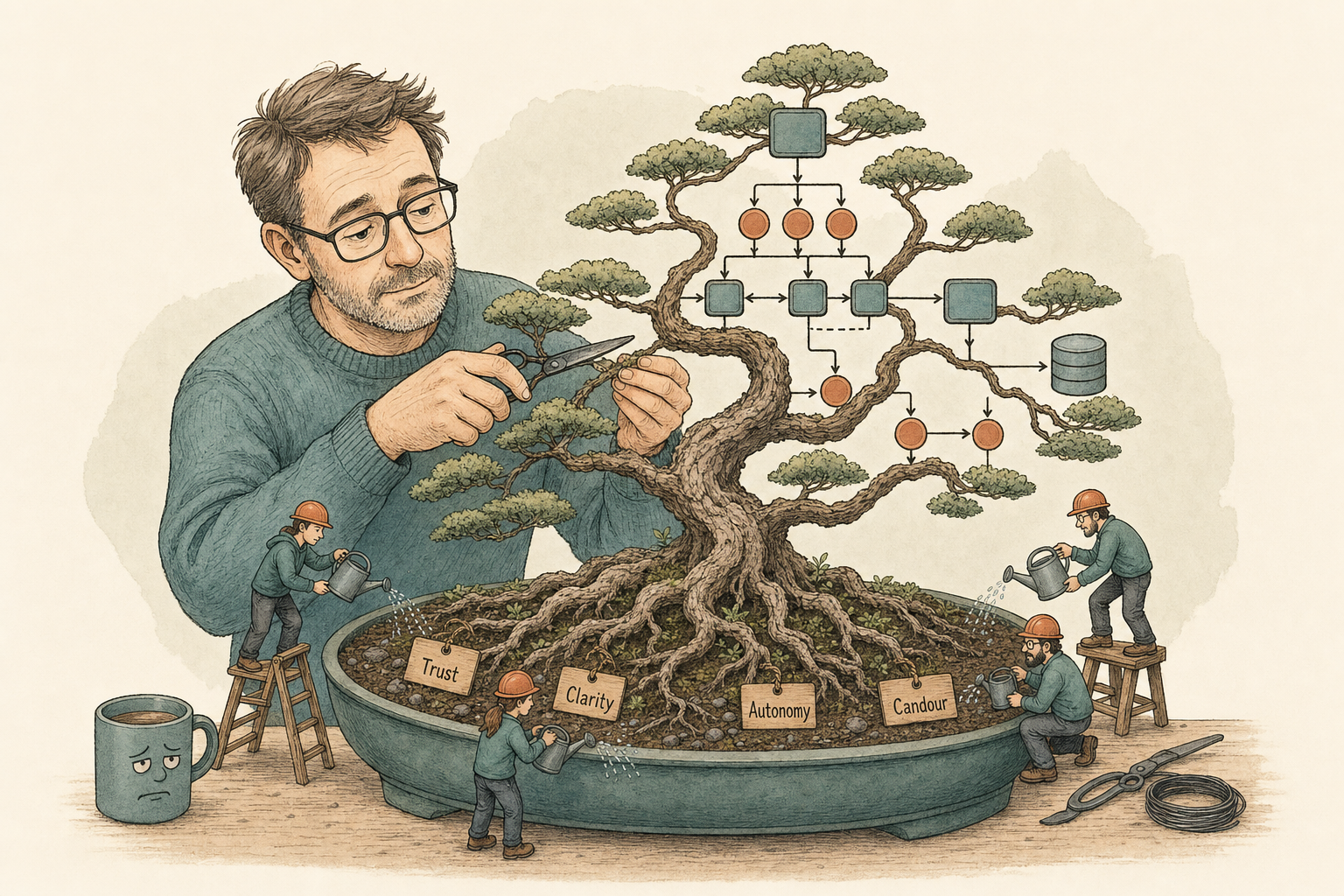
Culture Is the Operating System: How Engineering Leaders Build, Scale and Renew Great Teams
Note ...
Note ...

Are you neurodivergent? Have you ever thought or felt like you aren’t normal? Do you have thoughts like “I’m not good enough”, or “I don’t deserve this”, “I’m just lucky that I got this far”? Ever wondered why you feel that way? That’s what this post is about. It’s about a phenomenon called “Accomplishment Amnesia” and how to resolve it. What is it? I’m not a psychologist or a medical professional by any means. I am just a neurodivergent person who has experienced this phenomenon and through conversations have observed that others have this too. So like most curious people, I just went and did some reading and thought I’d share what I had learned and what has helped me and those I’ve spoken to about this matter. ...

I was recently asked as part of a recruitment conversation with someone in the talent team of a tech company, “Your CV says you foster a culture of you build it, you run it. What is your approach to building that culture?” I thought it was a great question and wanted to share my thoughts on this topic. You build it, you run it culture is all about giving engineering teams the autonomy and responsibility to own the systems they build and the agency to make decisions about how to evolve it. This level of ownership doesn’t come automatically by just telling engineering teams what to do. It requires a deliberate approach. This is what I call a High-agency team/culture. ...

This article is about how one can lead by being an enabler of experimentation and innovation without exerting authority or imposing mandates. When Generative AI tools exploded into the software engineering landscape, the reaction across my teams did not really mirror what was happening in the broader industry. The hype didn’t really inspire my engineers to explore and adopt these tools. Their negative past experience with Gen AI tools made them conclude that it was a waste of time. ...
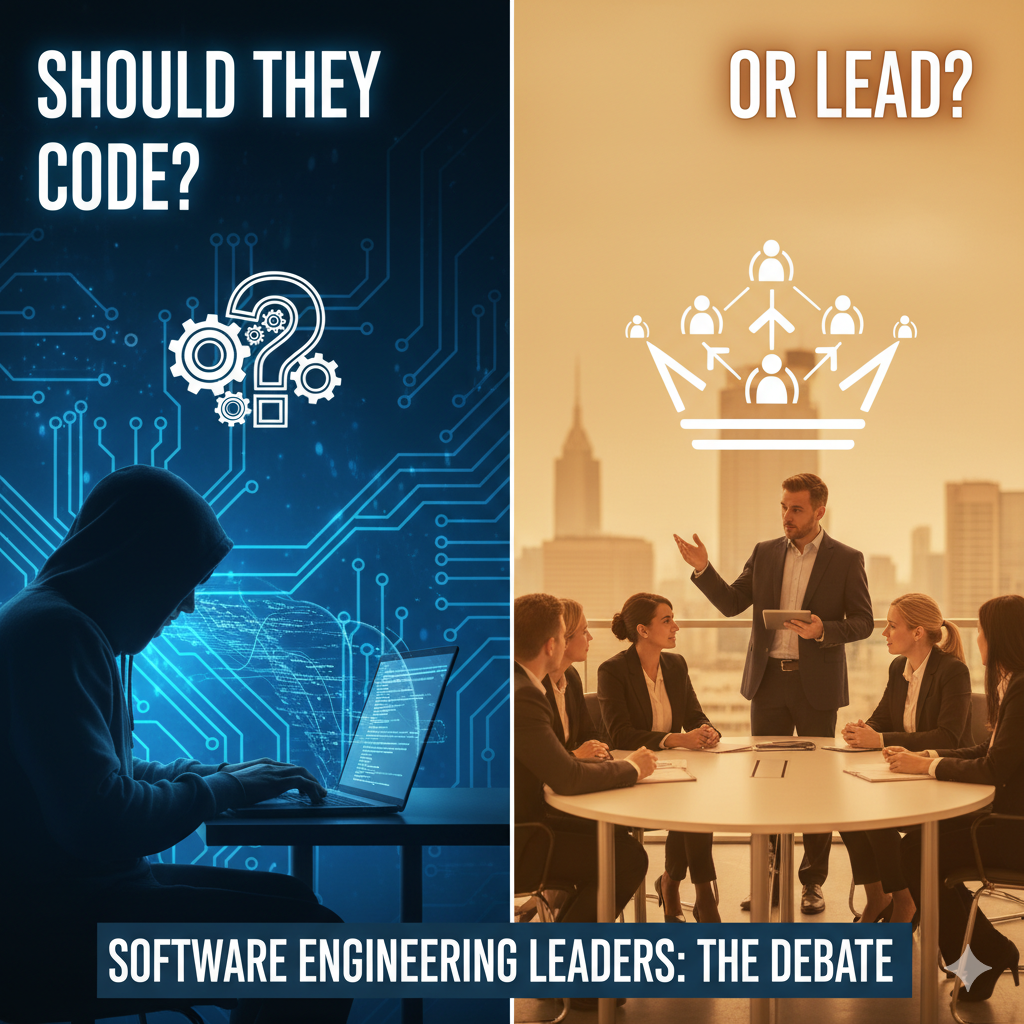
I used to regularly run the engineering manager community of Practice at my current workplace. I loved and still love it. But now I barely get time to do anything extra. My hours are so squeezed into a specific slot of time - the time when my toddler is not at home. :D I got asked in the community slack channel a very important question. One that a lot of engineering managers debate in their heads. Especially if they used to be tech leads and then switched to managing others. They get their joy from helping others develop and also building something that others can use. ...

I was curious about the title - As your team gets bigger, your leadership style has to adapt. I am not Julie Zhuo, and I am not a Vice President of an organisation just yet. But as I started working at Kaluza, leading multiple teams, I felt like I had to evolve my leadership style accordingly too. The article was reassuring as I feel like I did get some things right. ...

Starting a family Three years ago, my wife and I decided to think about starting a family. The decision to start a family was not made like let’s do it. It was more of a reluctant, if it happens, it happens. Fast-forward about 18–24 months, 2 miscarriages, and numerous emotional roller coasters and pain, both physical and psychological, especially for my wife as I feel like women go through a lot compared to men during pregnancy, we finally had our baby. ...

Introduction A recent conversation with my cousin, who was moving to London, highlighted a concerning issue: an unconscious bias that made him prejudiced. What did they say that made me feel concerned? “I am not racist but when I got out of the station, I noticed that it was mostly people of x community walking around. I didn’t feel safe at all.” This is unconscious bias in action. And as this bias made my cousin feel unsafe among a community of people of a race, and is therefore discriminating against a race, it is racism. The technical term for this particular bias is Perception bias. ...

Conflicts are healthy Did the title of this section, set off alarm bells in your head? Maybe it depends on your experience with conflicts. In the early days of my career, I thought conflicts were unhealthy, and I used to get into conflicts a lot because as an engineer, I had my opinion on solving a problem a certain way. And obviously, my way was the best way because I had done my reading and compared other solutions and made my decision based on that research. However, there were many other alternative solutions that I hadn’t considered, simply because I wasn’t aware of them. But as an inexperienced, young engineer who was concerned about proving his point, I was blind to the better alternatives! ...
Background I grew up as a third culture kid, born in India and raised in the United Arab Emirates. At a very early age, I had encounters with some racist kids, often while in a school bus in the lane next to mine. This altered my perception of myself, created an inferiority complex when compared to the instigators of the racist incident, and I felt helpless and trapped. The problem in the UAE was not a lack of diversity. ...